Smarter Monitoring. Earlier Intervention.
When health changes happen, recognizing them early can make a meaningful difference. Eden Health’s Remote Patient Monitoring (RPM) program combines passive monitoring technology with coordinated clinical support to help facilities, providers, patients, and families stay informed.
In partnership with Optimum Health, our RPM program provides continuous, contact-free monitoring that helps identify subtle changes in a patient’s health before they become more serious concerns. The result is a proactive approach that supports timely communication, coordinated care, and better health outcomes.
For patients living in rural communities throughout Southeast Idaho, Remote Patient Monitoring provides an added layer of clinical oversight between scheduled visits. By continuously monitoring health trends, the program helps care teams identify meaningful changes earlier, offering greater peace of mind for patients and families who may have less frequent access to healthcare providers or live farther from medical facilities.
Interested in learning more?
Contact our team to discover how Remote Patient Monitoring can support your residents, patients, or facility.
Eden Health and Optimum Health’s RPM program delivers measurable results for facilities and patients throughout Southeast Idaho.
Up to 40%
Reduction in staff time vs. traditional vital-sign collection
24/7
Continuous clinical oversight — no gaps between nursing visits
Fewer
Hospital readmissions & emergency department visits
Source: Studies cited by Optimum Health based on RPM program outcomes. Individual facility results may vary.
What Is It?
Passive Remote Patient Monitoring (RPM) is a contact-free monitoring system that continuously tracks vital signs and activity patterns without requiring patients to wear a device, charge equipment, or actively participate each day.
A small sensor is placed near the patient’s bed or favorite chair, where it quietly monitors important health trends using advanced Doppler radar technology. The system securely transmits information to a clinical monitoring team, allowing meaningful changes to be reviewed and communicated for appropriate follow-up
Because the technology works automatically, it can be especially beneficial for older adults, individuals with memory impairment, and patients recovering at home who may have difficulty remembering or managing wearable devices.
Remote Patient Monitoring can be an excellent complement to our Home Health Services, helping nurses and therapists monitor patient health trends between scheduled visits while supporting safer recovery at home.
Who We Serve
RPM is designed to support a wide range of patients by providing continuous health monitoring between scheduled healthcare visits. It can be especially beneficial for those who would benefit from additional clinical oversight while remaining in the comfort of their own home or care community.
Older adults who want additional peace of mind while maintaining their independence
Individuals managing chronic conditions such as heart failure, Chronic Obstructive Pulmonary Disease (COPD), diabetes, or hypertension
Patients recovering after a hospitalization, surgery, or illness
Individuals with memory impairment who may have difficulty remembering to use wearable devices or take daily health readings
Residents of assisted living, skilled nursing, or memory care communities who could benefit from continuous monitoring between routine care visits
Patients recovering after a hospitalization, Patients living in rural communities throughout Southeast Idaho who may have less frequent access to healthcare providers or live farther from hospitals and specialty care services
By monitoring health trends continuously, RPM helps identify meaningful changes that might otherwise go unnoticed between scheduled visits. This proactive approach allows care teams to communicate more effectively, coordinate timely follow-up, and support better health outcomes—all while helping patients remain safely in familiar surroundings.
Whether a patient is recovering at home, managing a chronic condition, or living in a rural community with limited access to healthcare services, Remote Patient Monitoring provides an additional layer of clinical insight that supports more informed, proactive care.
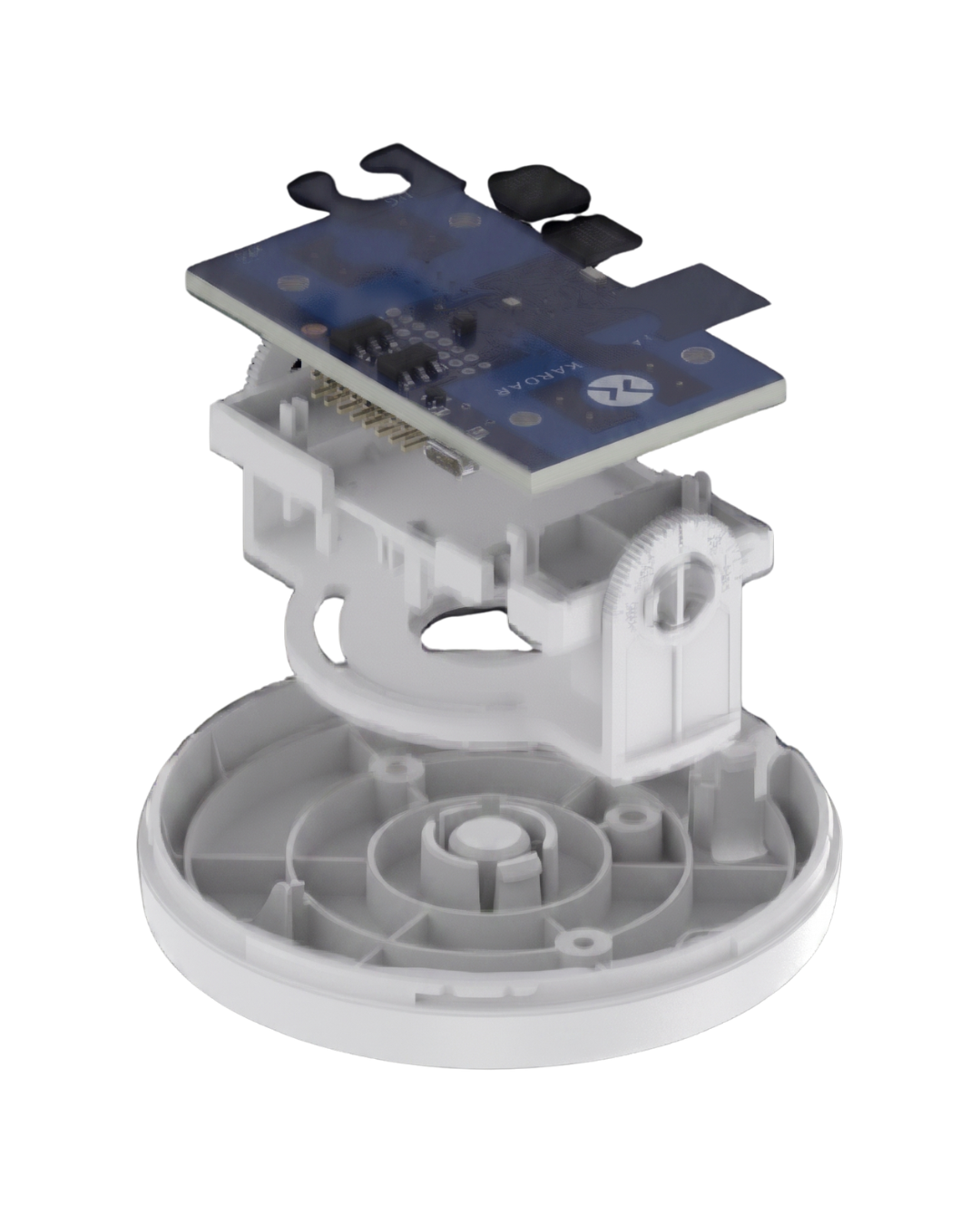
A small monitoring device is placed near the patient's bed or favorite chair — no installation, no wires to manage.
Using advanced Doppler radar technology, the device detects micro-movements associated with heart rate, breathing, movement, and sleep patterns — all without touching the patient.
Health information is securely transmitted to Optimum Health's clinical monitoring team for daily review.
Rather than focusing on a single reading, the system tracks patterns over time, helping identify gradual changes that may warrant additional attention.
When meaningful trends are identified, Eden Health and Optimum Health work together with facility staff and the patient's primary care provider to support appropriate follow-up.
The system continuously monitors vital signs and activity trends including:
The system continuously monitors vital signs and activity trends including:
While RPM does not diagnose medical conditions or replace clinical evaluation, it provides valuable information that can support earlier intervention and more informed care planning.
Care Coordination
Remote Patient Monitoring is about more than collecting data—it’s about knowing when something may need attention. If we identify meaningful changes in your health trends, our clinical team reviews the information and, when appropriate, works with your physician and care team to coordinate the next steps.
Monitoring may help identify changes related to:
From device placement to clinical response, here is how Eden Health and Optimum Health's RPM program works from start to finish:
Near patient's bed or chair
Detects micro-movements passively
Securely sent to clinical team
Daily by Optimum Health clinicians
Eden Health & PCP notified
Our RPM program acts as a second set of eyes for your clinical staff — generating additional patient health data and identifying meaningful trends so care teams can respond proactively.
A 100% employee-owned provider of Home Health, Hospice, and Palliative Care services — focused on independence, safety, and high-quality outcomes for patients throughout Southeast Idaho.
A mobile team of Physicians and Nurse Practitioners providing timely, on-site clinical assessments and follow-up care — 'Where Health Comes First.'
Remote Patient Monitoring is designed to support proactive healthcare — not emergency response. If a patient experiences a medical emergency, they should always call 911 or use their existing emergency response system.
| Passive Remote Patient Monitoring | Medical Alert System |
|---|---|
| ✓ Continuously monitors health trends 24/7 | Activated only during an emergency |
| ✓ No wearable device required | Usually requires wearing a pendant or wrist button |
| ✓ Identifies gradual changes in health over time | Summons emergency assistance after an incident occurs |
| ✓ Supports earlier clinical intervention and care coordination | Connects users with emergency responders |
| ✓ Provides ongoing health oversight | Provides emergency assistance only |
Why RPM
When clinically meaningful changes are identified, Optimum Health’s clinical team may:
Remote Patient Monitoring provides assisted living communities (ALFs), skilled nursing facilities (SNFs), and memory care communities with additional clinical insight while supporting proactive resident care.
For patients and families, RPM offers added confidence and peace of mind without adding any extra daily responsibilities
For patients with advanced illnesses who require comfort-focused care, our Hospice Care team works closely with families to provide compassionate support while respecting each patient’s goals and quality of life.
Wondering if you or a loved one may benefit from skilled care at home? Learn more about who qualifies for Home Health Care and the eligibility requirements for Medicare-covered services.
Many remote monitoring programs rely on wearable devices that require daily participation from the patient. Our Passive RPM program removes those barriers entirely:
| Feature | What It Means for Your Facility |
|---|---|
| No wearables | Eliminates compliance barriers — works even when patients forget or cannot participate |
| Passive monitoring | Runs continuously in the background without interrupting daily routines |
| Continuous trend analysis | Focuses on patterns over time rather than isolated readings — catches gradual changes |
| Integrated clinical response | Not just data — actionable care support from Optimum Health's clinical team |
| 24/7 oversight | Provides visibility between nursing visits, nights, and weekends |
A 100% employee-owned provider of Home Health, Hospice, and Palliative Care services — focused on independence, safety, and high-quality outcomes for patients throughout Southeast Idaho.
A mobile team of Physicians and Nurse Practitioners providing timely, on-site clinical assessments and follow-up care — "Where Health Comes First."
Remote Patient Monitoring is a healthcare service that allows seniors and patients to have their vital signs monitored continuously from home or their care setting. The data is transmitted securely to Optimum Health’s care team in Southeast Idaho, where it is reviewed daily. If concerning changes are identified, a nurse or provider is alerted, allowing for early intervention and helping reduce unnecessary hospital visits. Families also benefit from added peace of mind, knowing their loved one’s health is being monitored around the clock.
No. The monitoring system is completely contact-free and does not require wearable devices. The sensor is placed near the patient’s bed or chair and works passively — no action from the patient is needed.
No. The system uses Doppler radar technology to detect micro-movements associated with vital signs and activity patterns. It does not record video.
Studies have shown facilities may experience up to a 40% reduction in staff time compared to traditional vital-sign collection workflows by utilizing our Remote Patient Monitoring program. This allows clinical staff to focus on direct patient care rather than manual vital-sign rounds.
Our RPM program acts as a second set of eyes for your clinical staff. By generating additional patient health data and identifying meaningful trends, our team can provide proactive care recommendations that support both your staff and your patients throughout the healing process.
Yes. In addition to providing timely patient care alerts, our RPM program has been shown to help reduce hospital readmissions and emergency department visits — one of the key goals for both facilities and home health providers like Eden Health.
No. Remote Patient Monitoring is designed to complement — not replace — the care provided by healthcare professionals. It fills the gaps between scheduled visits with continuous passive monitoring
RPM is well suited for assisted living facilities (ALFs), skilled nursing facilities (SNFs), and memory care communities, as well as patients recovering at home who may benefit from additional clinical oversight.
Remote Patient Monitoring is not an emergency response system and should not be used to request immediate medical assistance. Unlike a medical alert button, which requires a patient to press a button during an emergency, Passive RPM continuously monitors health trends in the background using contact-free technology. By identifying gradual changes over time, the system helps healthcare providers recognize potential concerns earlier and coordinate appropriate follow-up care. For medical emergencies, patients should always call 911 or use their emergency response device.
Interested in learning how Remote Patient Monitoring can benefit your facility or patients?.
Have questions about it or want to see if it’s right for your facility or a loved one? Contact Us today to speak with our team or schedule a personalized consultation.
Jake Bryan, MOT
Executive Director — Southeastern Idaho
Eden Home Health & Hospice
Phone: (208) 523-1980